
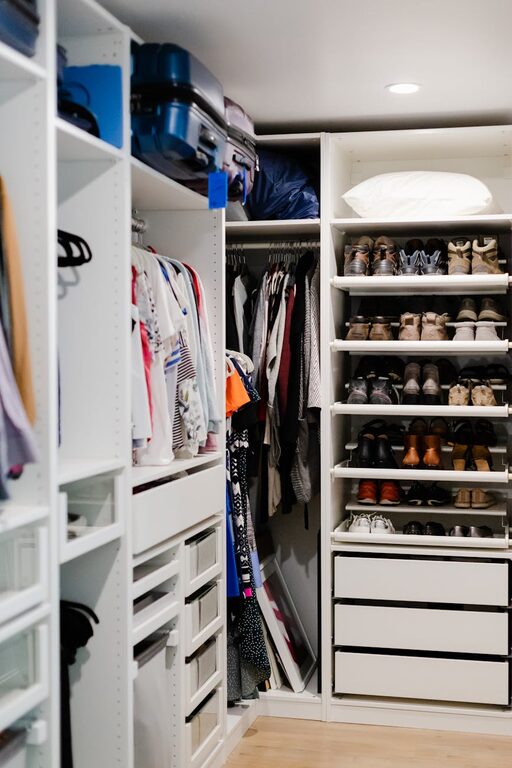
Storing seasonal clothes efficiently is a smart way to keep your wardrobe organized and your garments in good condition when not in use. Whether you’re packing away bulky winter coats or summer dresses, proper storage helps extend the lifespan of your clothes and frees up valuable closet space. This post covers practical steps you can take to make seasonal clothing storage a breeze.
Why Storing Seasonal Clothes Properly Matters
When clothes are stored incorrectly, they can become wrinkled, damaged, or attract pests like moths. Efficient storage protects your fabrics, saves you money on replacement costs, and simplifies your routine every season by making it easy to find what you need.
Preparing Clothes for Storage
Clean Everything First
Before packing away any item, make sure it’s clean and completely dry. Dirt, sweat, and stains can attract insects or cause yellowing over time. Washing or dry cleaning garments beforehand helps prevent this.
Repair and Mend
Check your garments for any loose threads, missing buttons, or small tears. Repairing them now prevents further damage during storage.
Sort by Type and Frequency
Group items by type such as sweaters, pants, or dresses, and sort by how often you expect to use them next season. This will make unpacking more efficient.
Choosing the Right Storage Solutions
Use Breathable Containers
Plastic bins with airtight seals keep out moisture and pests but may trap humidity if clothes aren’t fully dry. Breathable cotton bags or fabric storage bins can help prevent mildew while keeping air flowing.
Vacuum-Seal Bags for Space Saving
Vacuum-sealing clothes reduces volume significantly, making it ideal for bulky items like winter coats or blankets. Be cautious about storing delicate fabrics this way, as compression can sometimes damage fibers.
Cedar and Lavender for Pest Protection
Natural repellents like cedar blocks or lavender sachets protect clothes from moths without harsh chemicals. Avoid mothballs, which can be toxic and leave a strong odor.
Organizing Your Storage Space
Label Clearly
Use labels on boxes or bins indicating the contents, season, or clothing type. Labels save time when you need to find specific items quickly.
Store Off the Floor
Keep storage containers off the ground to avoid dampness or pests. Shelves or storage racks in closets, basements, or attics are good options.
Rotate Seasonally
When switching seasons, place the newly stored clothes behind or underneath the previous season’s to maintain a rotation system.
Tips for Maintaining Stored Clothes
Air Them Out Occasionally
If possible, open storage containers and air out clothes every few months to prevent musty smells and refresh the fabrics.
Control Climate
Store clothes in a cool, dry place away from direct sunlight. High humidity and heat can damage fibers and cause fading.
Avoid Overpacking
Leaving some room in storage containers prevents unnecessary wrinkles and fabric stress.
Bonus: Small Space Solutions for Seasonal Clothes
Underbed Storage
Flat storage bins designed to slide under your bed are great for apartments or homes with limited closet space.
Hanging Organizers
Use multi-pocket hanging organizers for lightweight seasonal items like scarves, gloves, or hats.
Use Drawer Dividers
Segmented drawers can store folded seasonal clothes neatly if closet space is tight.
In Summary
Efficient seasonal clothes storage combines preparation, the right containers, and good organizational habits. Clean and repair items before storing, choose breathable or vacuum-sealed options depending on your needs, and protect fabrics with natural repellents. Label and keep your storage tidy by rotating and refreshing clothes regularly. These simple steps will help safeguard your wardrobe and make changing seasons easier to manage.
With a little effort, your seasonal clothes can stay fresh, accessible, and well-maintained year after year. Happy organizing!