
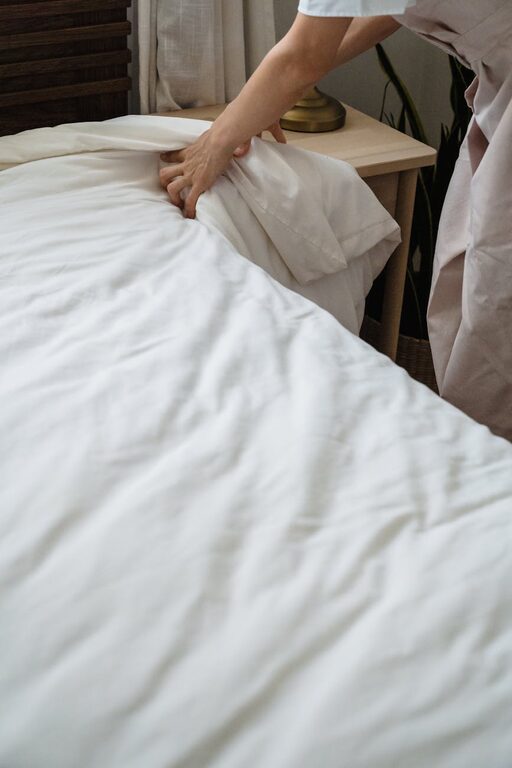
A good night’s sleep starts with comfortable bedding. But to keep your sheets, blankets, and pillows feeling fresh and lasting longer, proper care is essential. One key habit for maintaining bedding quality is rotating it regularly and following effective cleaning and storage practices. In this post, we’ll guide you through everything you need to know about how to rotate and care for your bedding properly.
Why Rotate Your Bedding?
Rotating your bedding means using different sets in turn rather than the same sheets and pillowcases every night. This simple step offers several benefits:
– Even Wear: Bedding that’s used constantly in one spot wears out faster. Rotation spreads that wear evenly, extending their lifespan.
– Better Hygiene: Giving sheets time between uses can reduce the buildup of sweat, oils, and allergens.
– Improved Comfort: Freshly rotated bedding often feels cleaner and more comfortable, contributing to better sleep quality.
Ideally, you should have at least two or three sets of bedding per bed. This allows for a regular rotation schedule where one set is in use, another is freshly cleaned, and a third can rest or be stored.
How Often Should You Rotate Bedding?
Sheets and Pillowcases
– Change your sheets and pillowcases once a week during warmer months.
– Every two weeks is sufficient in cooler weather or if you shower before bed.
– Rotate between your sets each time you change them.
Blankets and Comforters
– Wash and rotate blankets every 1 to 3 months, depending on usage and climate.
– Comforters usually need washing less often—every 3 to 6 months—but they benefit from regular airing and rotation.
Mattress Protectors and Pillow Covers
– These should be washed monthly and rotated with spares if possible to maintain cleanliness and durability.
How to Properly Rotate Bedding
1. Purchase Multiple Sets
Invest in two or three sets of matching sheets and pillowcases per bed. This way, you can swap them consistently.
2. Create a Schedule
Use a calendar or reminder app to track when each set was last washed and used. Regular scheduling prevents neglecting some sets.
3. Mark Your Sets
Label shelves or storage bins with numbers or colors to know which set to use next without guesswork.
4. Store Bedding Correctly
Store clean bedding in a cool, dry place. Avoid overcrowding storage spaces to keep fabrics fresh and wrinkle-free.
Essential Tips for Caring for Bedding
Washing Best Practices
– Read Care Labels: Follow fabric-specific instructions for washing temperature and detergents.
– Use Gentle Detergents: Mild, fragrance-free detergents are best to avoid irritation and fabric damage.
– Cold or Warm Water: Wash cotton sheets in warm water; delicate fabrics like silk or linen prefer cold water.
– Avoid Overloading: Washing machines should not be overfilled to ensure thorough cleaning and reduce wrinkles.
– Drying: When possible, air-dry bedding. If using a dryer, select a low heat setting to prevent shrinkage and fiber damage.
Handling Stains
– Treat stains promptly by blotting with cold water and applying stain remover suitable for your fabric type.
Ironing and Folding
– Ironing is usually optional but can improve appearance for certain fabrics like linen.
– Fold sheets neatly to prevent creases and make rotation easier.
Protect Your Mattress and Pillows
– Use mattress protectors and pillow protectors to guard against spills, dust, and allergens.
– Wash these protectors regularly and rotate them as you do bedding.
Additional Bedding Care Advice
Air Out Bedding Regularly
On sunny, dry days, let your mattress, pillows, and blankets air outside. Fresh air and sunlight help kill bacteria and refresh fabrics.
Rotate Pillows
Flip and rotate pillows at least once a week to maintain shape and prevent lumps.
Replace Bedding When Needed
Despite good care, bedding has a lifespan. Signs it’s time for replacement include:
– Loss of elasticity in fitted sheets
– Fading or fabric thinning
– Persistent odors or stains
– Pillows losing support
– Allergies or skin irritation worsening
Typically, sheets last up to 2 years, pillows 1–2 years, and blankets/comforters 3–5 years with proper care.
Final Thoughts
Rotating and properly caring for your bedding isn’t complicated, but it makes a big difference in sleep quality and bedding longevity. By following these simple habits, you can enjoy fresh, comfortable bedding night after night while saving money by extending your linens’ lifespan.
Try establishing a rotation system today—you may be surprised at how much more enjoyable sleep becomes with clean, well-cared-for bedding!